Sustainable thinking, sustainable outcomes.
- Read 3 Mins
- Author Aspen
Circular thinking through Cero
Sustainability has never been a standalone initiative at Aspen. It’s embedded in the way we design, manufacture and deliver architectural joinery every day. From responsible material selection and energy use through to circular manufacturing and reuse, our approach is built around making informed decisions that reduce environmental impact without compromising quality or longevity.
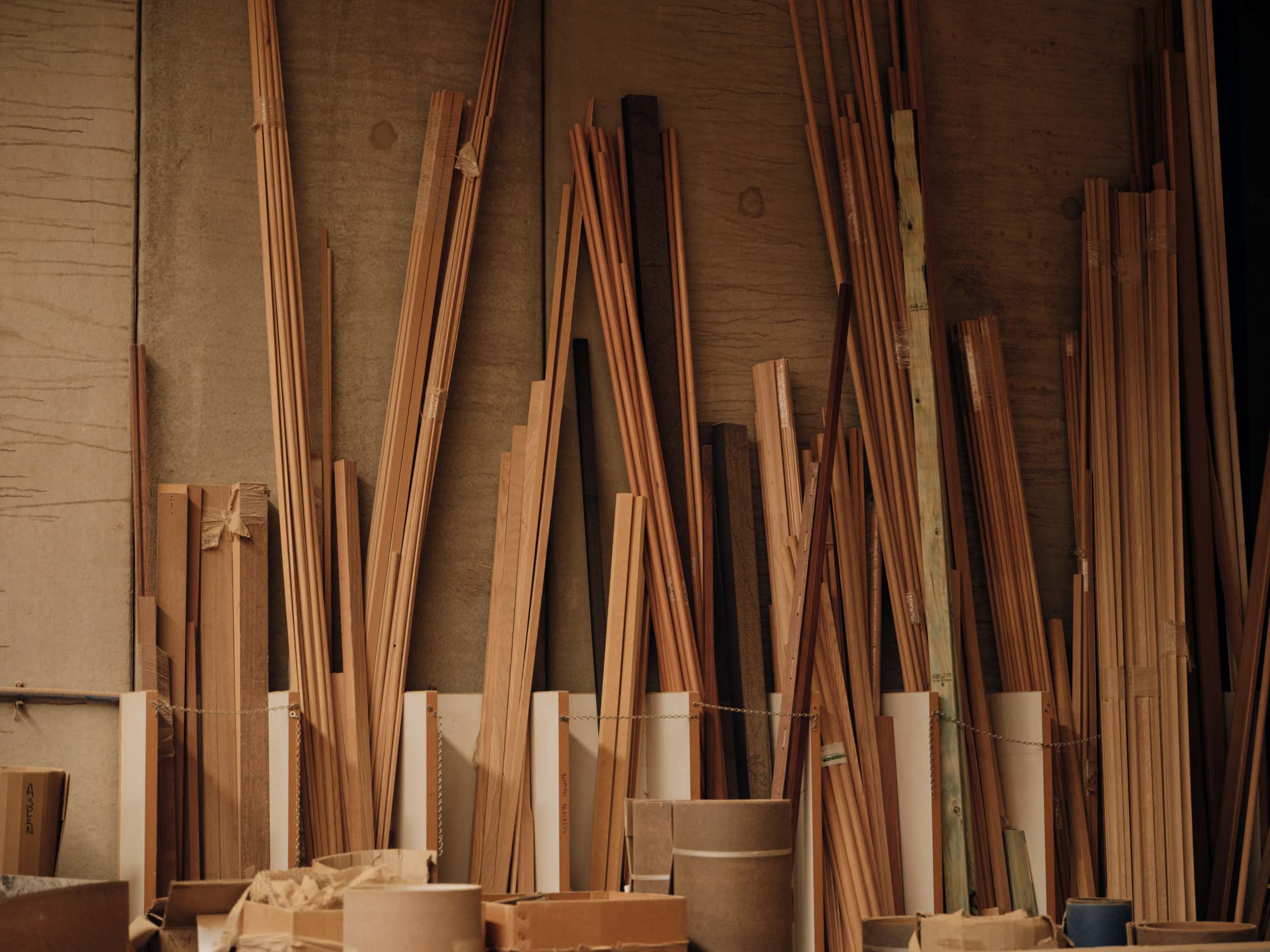
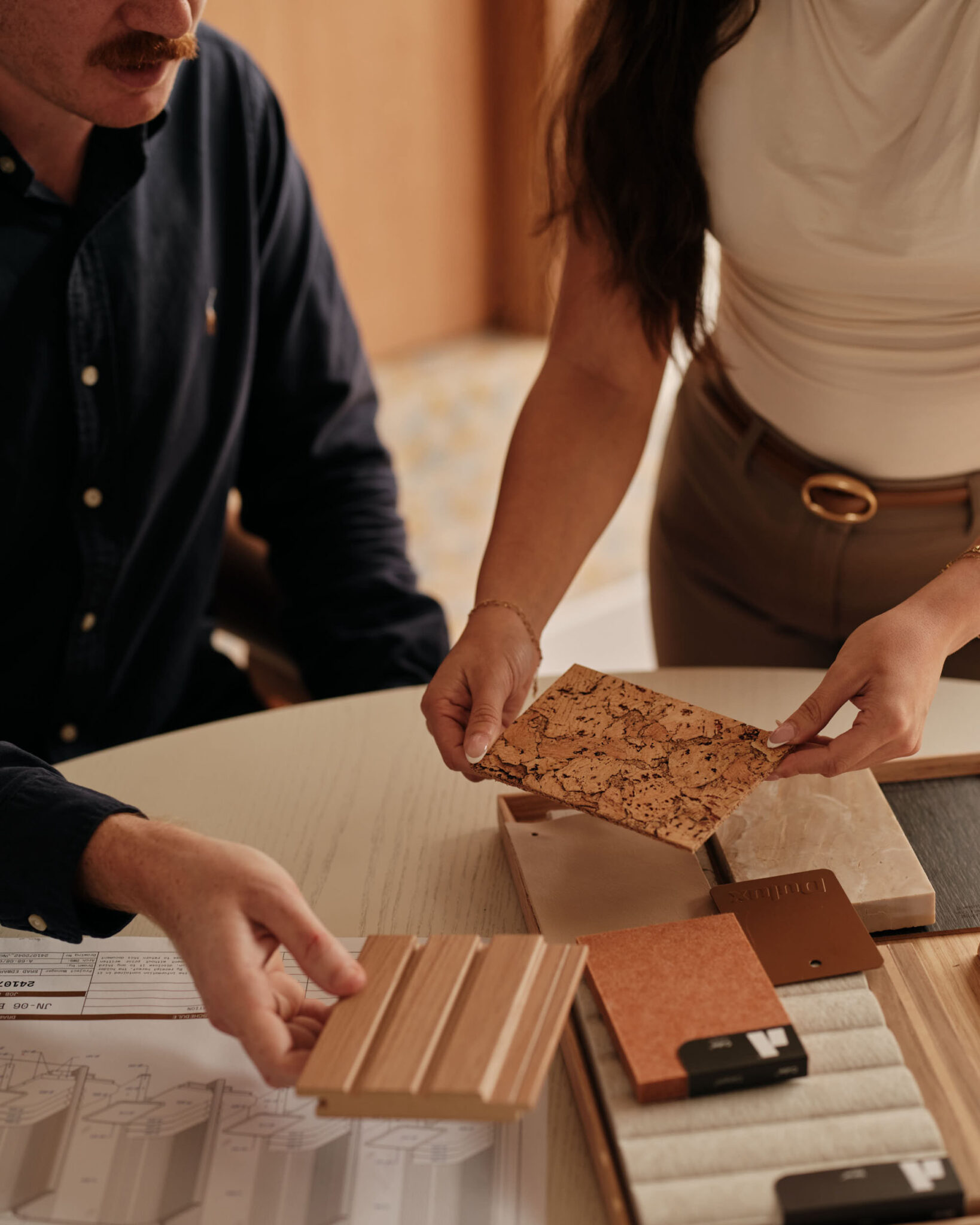
Material selection is one of the most important stages of any project, which is why Aspen encourages early collaboration with architects and builders. Working together from the outset allows us to balance design intent with environmental performance, availability and long-term durability.
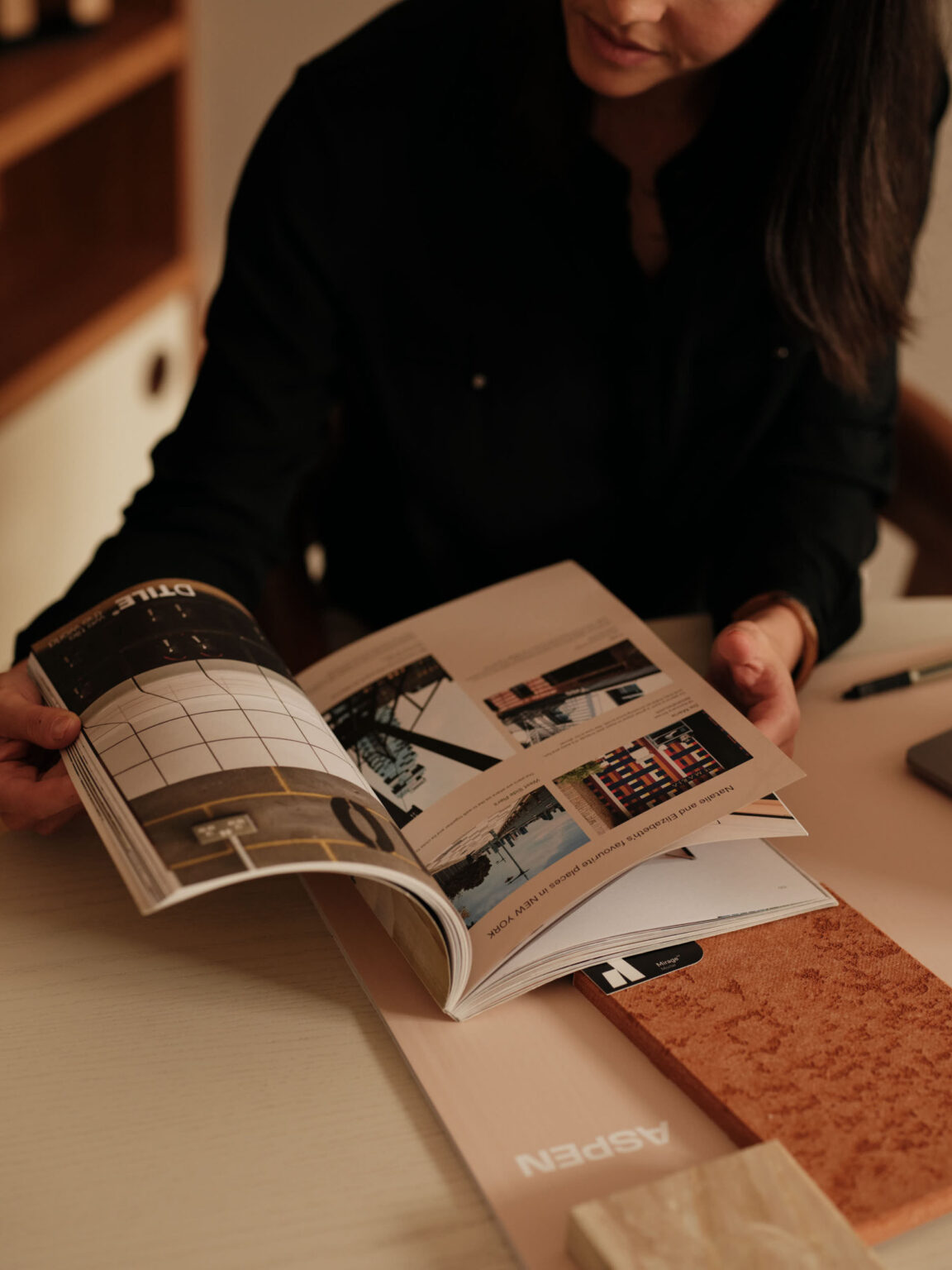
Our in-house drafting team applies structured material selection criteria, prioritising products with Environmental Product Declarations (EPDs), FSC and PEFC certification, suppliers with transparent cradle-to-cradle data, and low-VOC adhesives and recycled-content laminates, including Polytec’s GreenFirst range.
Wherever possible, we also consider the future life of the joinery itself, selecting materials and construction methods that support modification, reuse and disassembly long after the project’s completion.
Circular thinking through Cero
Aspen’s commitment to sustainability extends well beyond specifying new materials. Through our Cero programme, we work with clients to identify opportunities to retain, repurpose and recover existing joinery before replacement is considered.
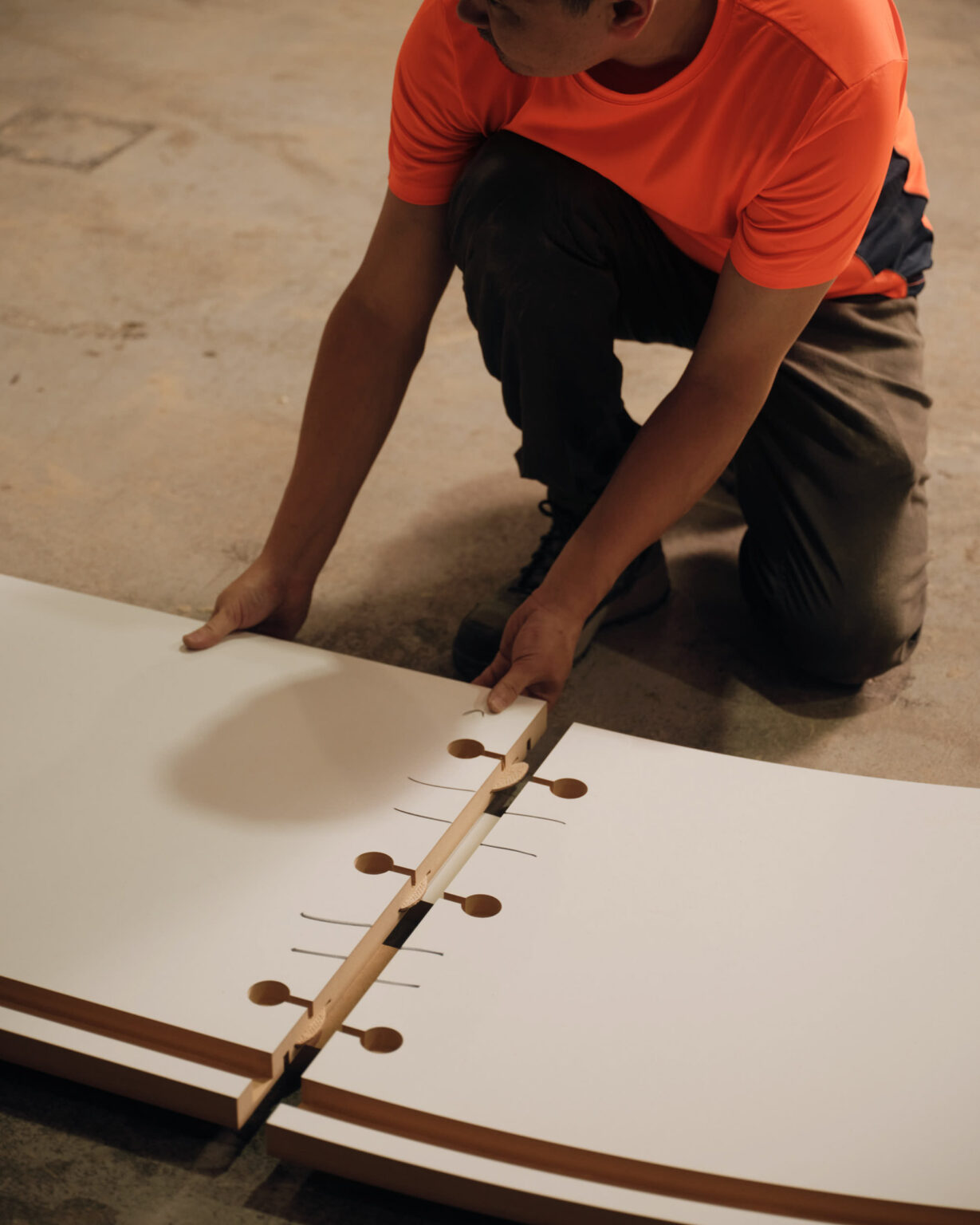
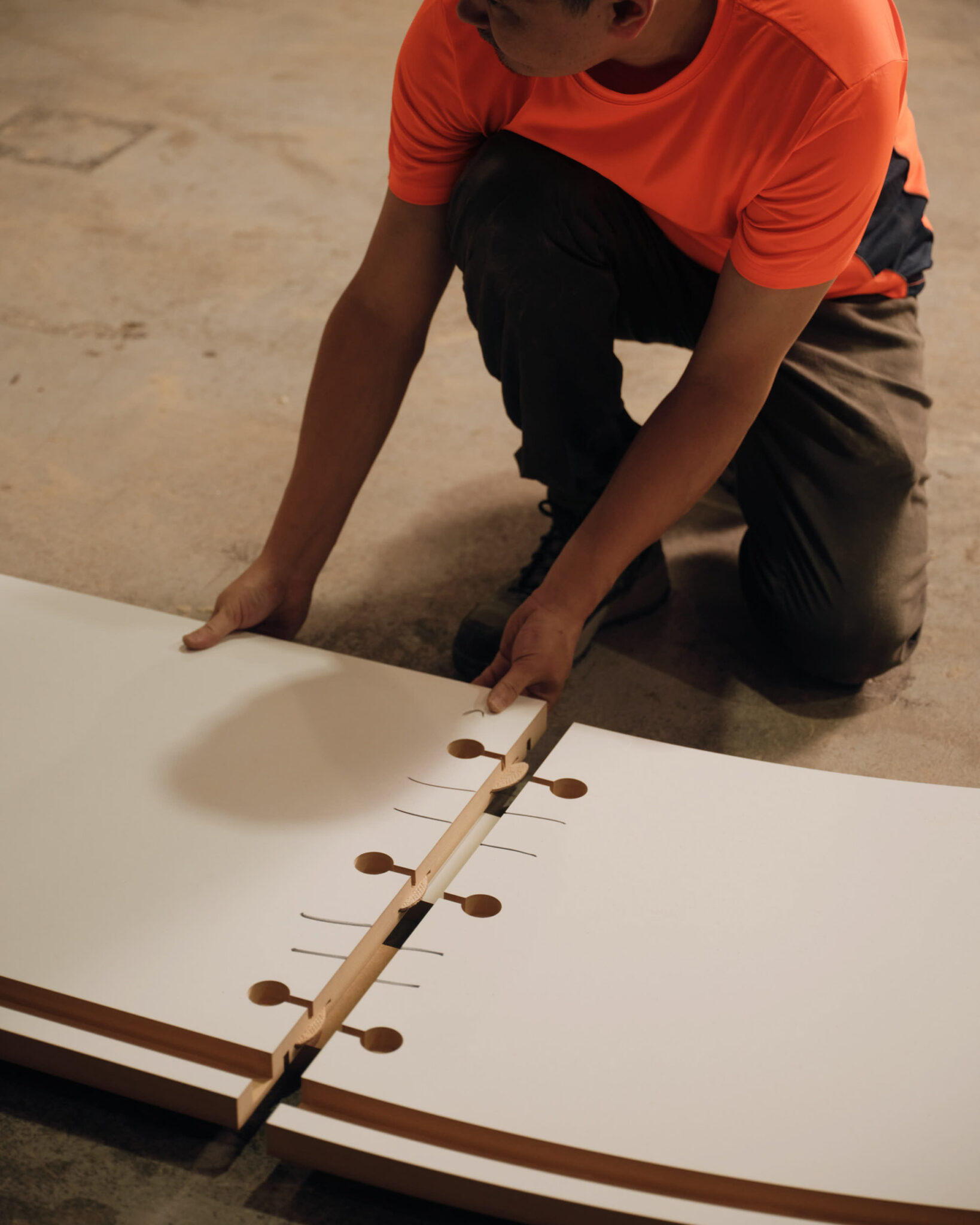
Each existing fit-out is carefully reviewed to identify which joinery elements can be retained, modified, repurposed or recycled. Panels, cabinetry, timber components and hardware are assessed for condition, suitability and future use, then categorised into one of four pathways:
- Ready-to-use, requiring little or no modification
- Rework candidates, suitable for minor carpentry adjustments
- Re-engineerables, where components are dismantled and reconfigured
- Recyclables, returned to approved manufacturing partners for recycled-content products
The process establishes measurable carbon and waste baselines, allowing clients to quantify material recovery, waste diversion and embodied carbon savings while supporting Green Star, LEED and broader ESG reporting requirements.
With an estimated 78% of office fit-out waste ending up in landfill, Aspen sees circular thinking as one of the industry’s greatest opportunities for meaningful change.
Our own initiatives
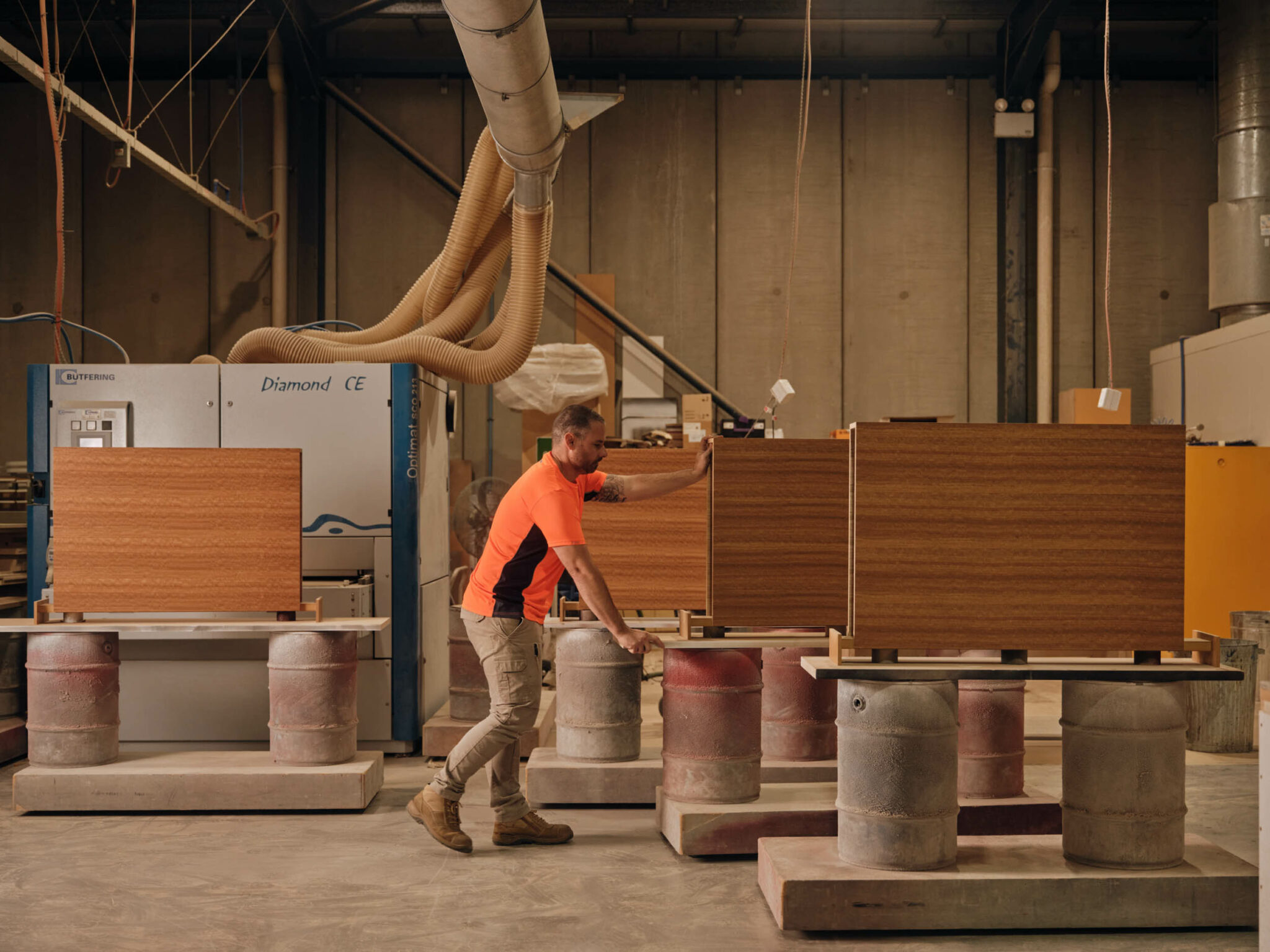
Environmental responsibility also shapes the way Aspen operates. Our manufacturing facilities are supported by a 140kWp solar installation, reducing reliance on grid electricity. Closed-loop recycling programmes recover boards, hardware and offcuts for reprocessing, while nesting software and board-scanning technology maximise yield from every sheet, reducing waste before manufacturing even begins.
These initiatives are supported by Aspen’s ISO 14001 Environmental Management certification, embedding documented procedures, regular auditing and continual improvement into day-to-day operations.
Sustainability at work
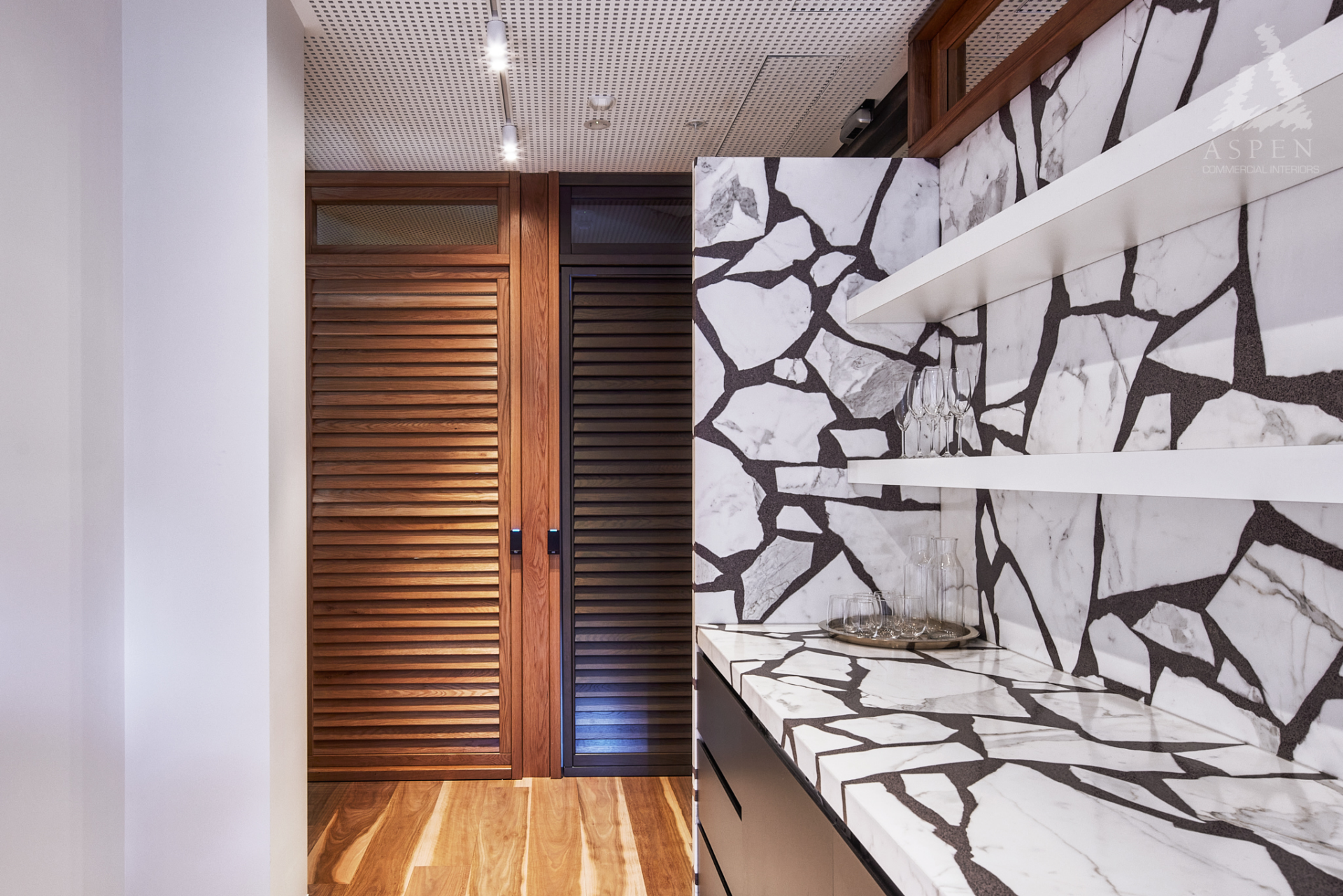
Our approach to sustainability delivers both practical and environmental outcomes across all of our projects. One example is the joinery we created for NSW Ambulance, delivered with Built. The existing kitchen, cupboard, and locker carcasses were retained and upgraded with new doors, benchtops, and recycled stone surfaces. By preserving the core joinery, the project significantly reduced waste while delivering a completely refreshed workplace.
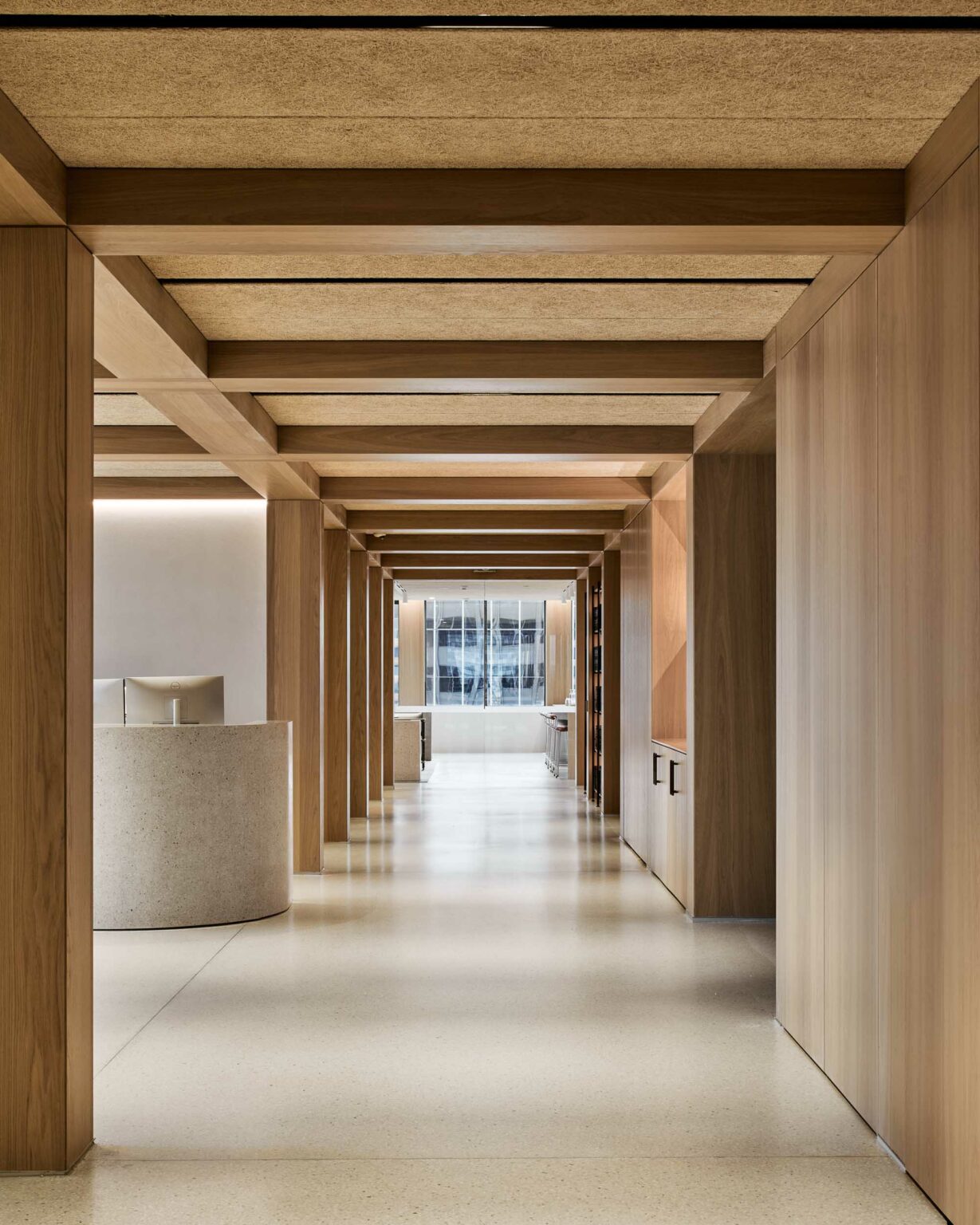
At 255 George Street, delivered with MPA, sustainability was a defining design feature. Existing stone from the AMP lobby was upcycled into custom terrazzo, now used throughout the Concierge, Café, Kiosk and Mezzanine Kitchenette. The project demonstrates that sustainability and exceptional design can strengthen one another.
For Aspen, sustainability is measured by the decisions we make every day, the resources we preserve and the long-term value we create for our clients, our industry and the built environment.